Mobile-First Web vs. Native Apps: Why Wellness Businesses Often Overpay for Barriers

Mobile-First Web for Wellness Studios: Less Friction, More Bookings

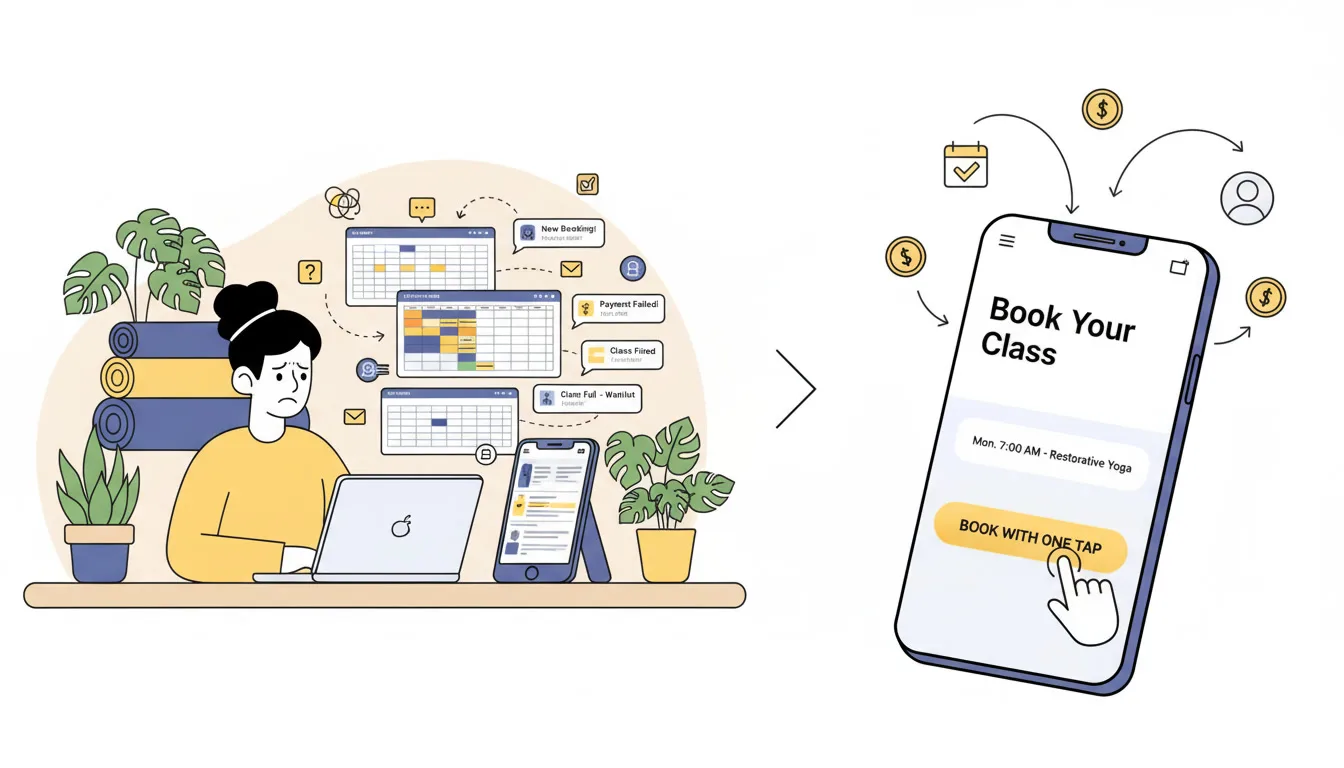
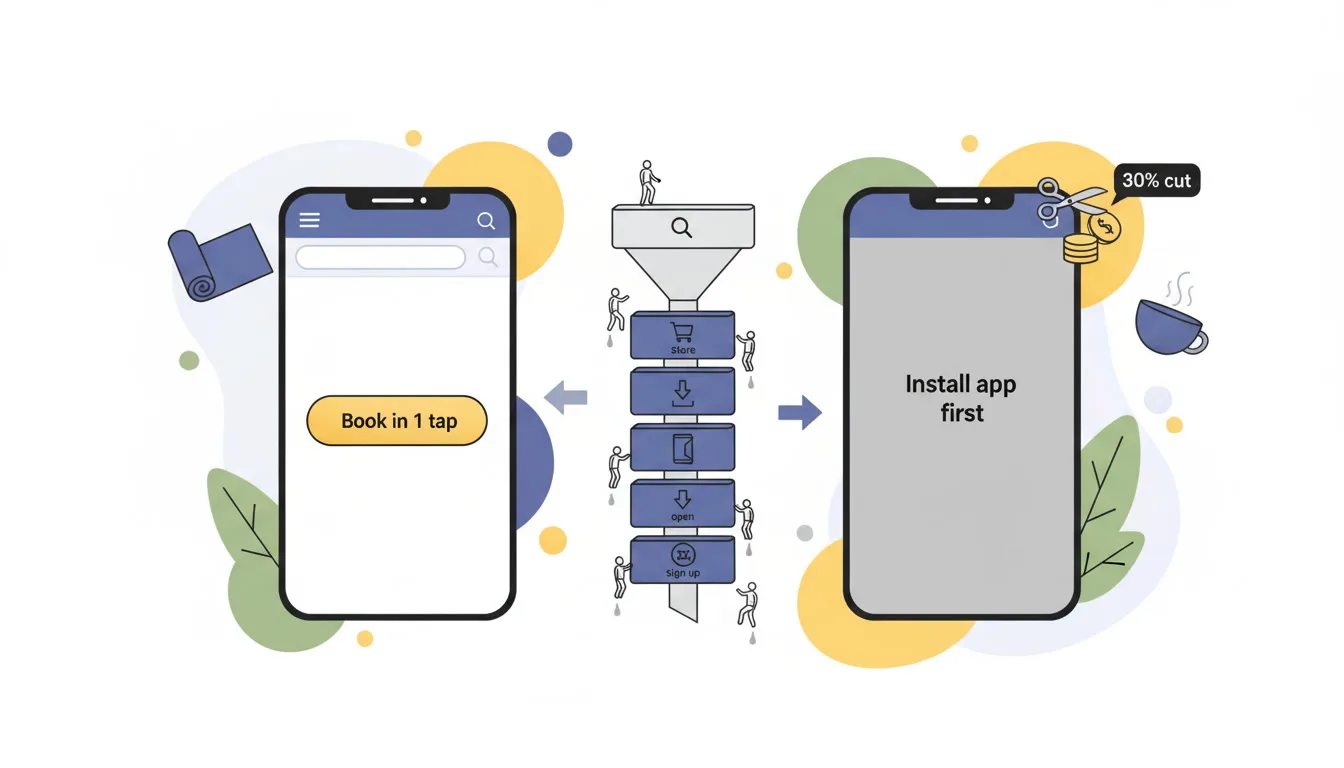
Imagine this: a new client hears about your wellness studio’s class. They grab their phone to check it out. Do they book a session with one tap on your mobile site – or are they met with “Please install our app first”?

Mobile-first web for wellness studios is the simplest way to remove booking friction and convert more visitors into paying clients. Imagine this: a new client hears about your wellness studio’s class, grabs their phone to check it out, and wants to book immediately. Do they book in one tap on your mobile site – or are they met with “Please install our app first”?

Meanwhile, many businesses unknowingly pay to add barriers: lost users due to mandatory app installs, plus a hefty revenue cut from app stores. This article explains how a mobile-first web approach protects your momentum – and why native apps often make you pay (literally) for user inconvenience.

The economics behind friction: how much does one extra step cost?

In marketing, there’s a saying: every extra step in the user journey is a chance to lose them. This “friction” adds up to real money. If you require a potential client to go through additional hoops – like finding an app in the store, downloading it, opening it, and signing up – a huge chunk will simply give up along the way. 

Google’s research found that each step in an app download funnel loses around 20% of users.

Think about that: if 100 people want to check out your meditation program, but they must install an app first, you might end up with only ~50 actually opening it! And that’s before they even create an account or make a purchase.

How to explain that drop-off? It turns out most users are extremely hesitant to download new apps for one-off needs. About 65.5% of US smartphone users download zero new apps in a month. People’s phones are already packed with apps, and convincing them to add yours is a losing game. 

All of this leads to a simple conclusion: the problem isn’t your offering – it’s the delivery model. When users are unwilling to download new apps, forcing them into an app-first experience creates unnecessary resistance before they even see your value.

A mobile-first web experience is a solution.

It lets users book sessions, explore content, and engage with your brand instantly — no downloads, no app store approval, no revenue cut. And thanks to modern frameworks, choosing the web no longer means sacrificing experience.

Flutter Web: Getting a Native Feel Without an Installation

At this point, you might be thinking, “Sure, web is convenient, but can it deliver the rich experience my users expect?” Thanks to modern frameworks like Flutter, the answer is a “absolutely, yes”. Flutter isn’t designed just for mobile apps. It can compile your app into a web app that looks and feels almost indistinguishable from a true native application. Smooth animations, snappy interactions, beautiful design – it’s all possible on the web today.

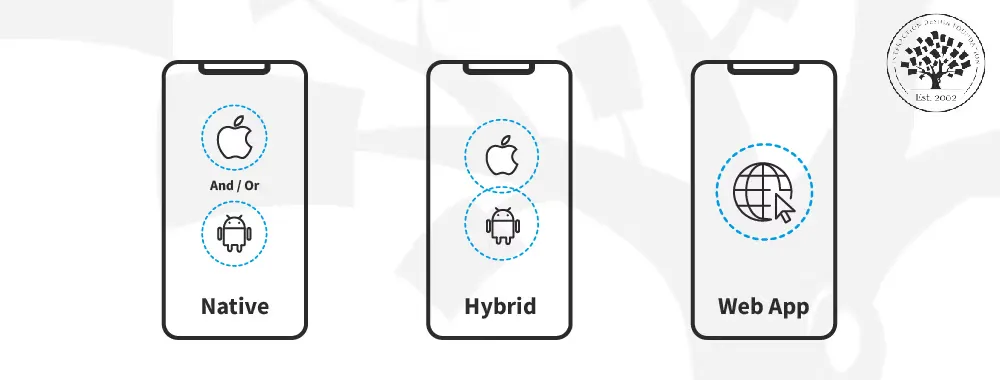
Flutter Web allows you to build a cross-platform app with one codebase and deploy it everywhere your users are. As the Dreambit team often advises: “Why choose iOS, Android or Web first when you can do all three?” With a Flutter web app, you give users a zero-friction option (just hit a URL!), while still having the option to wrap that same app for the App Store or Google Play later. The native-like UI components and Flutter’s 60fps fluidity mean your mobile web app can have swipe gestures, page transitions, and even offline capability that feel just as native.

Bottom line: You no longer have to trade off user experience for accessibility. With the right tech stack, your mobile web app can be just as engaging as a native app, but far more welcoming to new users. They can try it with no commitment – and that massively increases the chance they’ll actually stick around long enough to see the value you offer.

Case Study: Supplements Tracker – Why Web Outperformed a Native App

We faced this exact challenge while working with a wellness brand selling dietary supplements. The original idea was to build a standalone mobile app to help users track their daily vitamin intake.

But we paused and asked a simple question:
Would customers really download a separate app just to tick off today’s supplements?

Instead, we helped the client launch the tracker directly inside their mobile website. No installs. No app store. No extra logins.

The result? The feature was used immediately by thousands of customers. Because users were already on the site, browsing products and reading health content, the tracker fit naturally into their flow. One tap, and it worked on any device.

Had this been a native app, adoption would have been dramatically lower. 

We’ve seen the same pattern with meditation studio networks and other wellness businesses. By choosing a mobile-first web experience over a native app, they removed friction, avoided app store fees, and still delivered an experience that felt fast, modern, and intuitive. 

Comparative Look: Speed, SEO, and Costs

Let’s summarize how mobile-first web vs. native apps stack up on a few key dimensions that matter to wellness businesses:

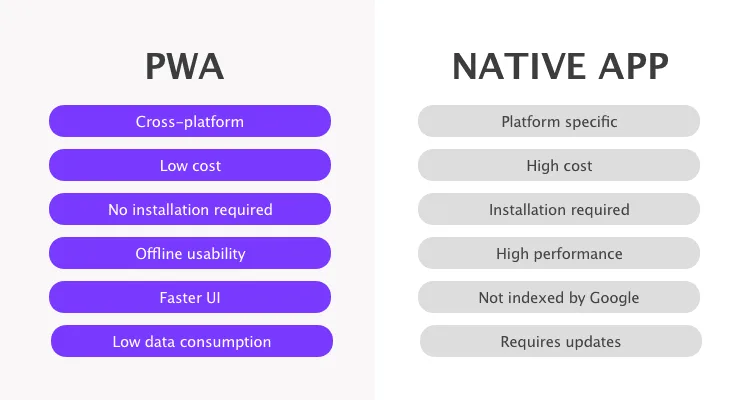
Mobile-first web (PWA)Native app
Initial accessInstant: users tap a link and go. No download or install delay – they can start using your service within seconds. Friction is minimal, so more visitors convert into users.Delayed: users must find the app in an app store, download (~50-200MB), then open it. Each step loses ~20% of potential users. High drop-off before they even experience your content.
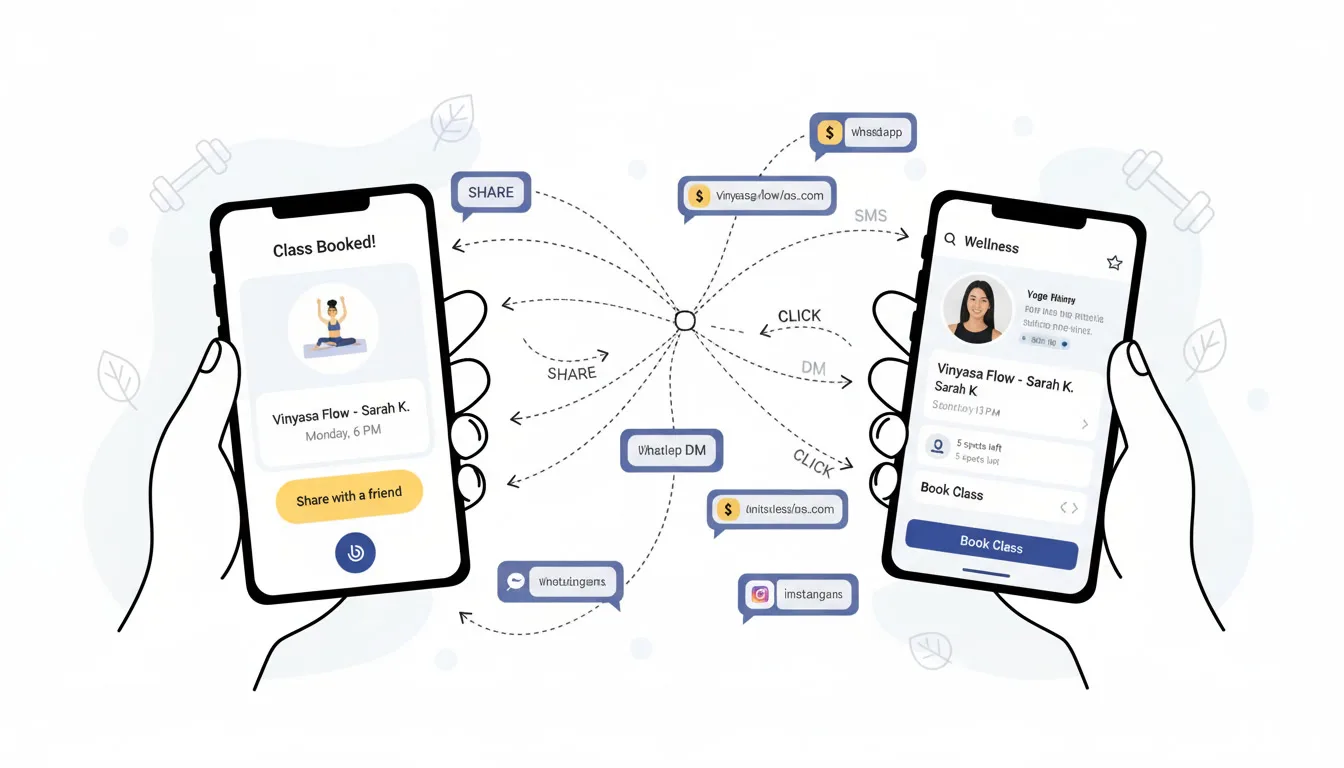
Discoverability High: your content and offerings are indexed by Google. Prospective clients searching “yoga classes near me” or “meditation for stress” can find your site. Every page is linkable and shareable.Limited: your app’s content is largely invisible to search engines. Discovery depends on App Store search (where you compete on brand name, not content) or costly marketing. No URL sharing.
Cost Lower: one codebase serves all platforms. Updates are instant. You avoid app store fees – if you sell classes or subscriptions on the web, you keep ~97% of the revenue (just a ~3% payment processor fee).Higher: separate iOS and Android builds (or using cross-platform frameworks) increase complexity. App updates require approval and user action to install. And app stores take a 15–30% cut of in-app sales by default – a huge bite out of your profit. 

Speed: fast enough for real-world wellness use

Speed: It’s worth noting that in terms of performance, modern web apps can be very fast for most use cases. Unless you’re doing heavy 3D graphics or AR, a well-built PWA will feel fast and responsive. Native apps might have a slight edge in raw performance for things like intense graphics or offline caching, but in a wellness app (scheduling, videos, tracking, community) the difference is negligible to users. 

SEO: the web brings new clients to you

SEO: Being easily discoverable on the open web is like having a constantly-running referral machine. For example, if you write a great blog post about “10 post-workout recovery tips” on your site, it might attract a yoga enthusiast via Google search who then also signs up for your class schedule – all without you spending a dime on ads. That is impossible if all your content is locked inside an app. 

Profit: stop paying for barriers

Profit: This is where “overpaying for barriers” becomes most literal. With an app, not only might you pay more to build and maintain it, you could be paying Apple/Google 30% of your revenue for the privilege of putting a toll booth in front of your users. Apple’s standard App Store commission is 30% for digital services (15% for subscriptions after one year). That means if you sell a $100 monthly wellness coaching package through an iOS app’s in-app purchase, Apple keeps $30. And that’s every month! 

By contrast, via web you can use Stripe or PayPal and keep ~97% of that sale. Over a year, avoiding the app store could literally be the difference between profit and loss for a small wellness venture.

Conclusion: Remove Barriers, Reap the Benefits
In the wellness industry, your mission is to improve lives – any friction in delivering that value is not just a tech issue, it’s a business risk. Mobile-first web experiences let you put your service in customers’ hands the moment they show interest, with minimal drop-off. You’re not throwing away 30% of your revenue to gatekeepers, nor 30% of potential users to “app fatigue.” And thanks to frameworks like Flutter and the advancements in web capabilities, you can still provide an immersive, feature-rich experience that feels native. 

Ultimately, before you invest in that pricey native app because “everyone has an app,” consider what barriers that might raise for your customers – and how it might actually cost you more in the long run. 

Removing barriers, not adding them, is the key to growth. 

From strategy to Flutter Web development, we help wellness businesses grow without overpaying for barriers. Contact us to build something meaningful together. 

Blog

LET’S TAKE A LOOK
AT YOUR PROJECT

Eldar Miensutov
Founder

Thanks for the information. We will contact with you shortly.