Dmytro Vashchuk
In the digital age now, the question isn’t whether mobile matters—it’s whether your specific company needs a stand-alone app. 📱 While tech evangelists would have us think every company needs an app, the reality isn’t quite as straightforward. Too many businesses waste precious resources developing apps their consumers didn’t need.
𝐓𝐡𝐞 𝐇𝐚𝐫𝐝 𝐓𝐫𝐮𝐭𝐡 𝐀𝐛𝐨𝐮𝐭 𝐌𝐨𝐛𝐢𝐥𝐞 𝐀𝐩𝐩𝐬 🔍
Let’s get provocative here: 𝐓𝐡𝐞 𝐦𝐚𝐣𝐨𝐫𝐢𝐭𝐲 𝐨𝐟 𝐛𝐮𝐬𝐢𝐧𝐞𝐬𝐬𝐞𝐬 𝐝𝐨𝐧’𝐭 𝐧𝐞𝐞𝐝 𝐚 𝐦𝐨𝐛𝐢𝐥𝐞 𝐚𝐩𝐩. There. I’ve stated it. The average user has 80+ apps installed but uses fewer than 10. Your beautifully designed app might just be one of dozens just taking up space.
Before leaping into the app bandwagon, ask yourself if you are actually solving a genuine problem or just riding the trend. Is this where your limited resources need to be invested?
𝐓𝐡𝐞 𝐔𝐥𝐭𝐢𝐦𝐚𝐭𝐞 𝐂𝐡𝐞𝐜𝐤𝐥𝐢𝐬𝐭: 𝐃𝐨𝐞𝐬 𝐘𝐨𝐮𝐫 𝐁𝐮𝐬𝐢𝐧𝐞𝐬𝐬 𝐀𝐜𝐭𝐮𝐚𝐥𝐥𝐲 𝐍𝐞𝐞𝐝 𝐚𝐧 𝐀𝐩𝐩?
1. Are your competitors successfully utilizing mobile apps? 👀
• Have your direct competitors launched apps which are actually used by customers?
• Has this caused a competitive disadvantage for your company?
2. Do your users request an app? 🗣️
• Did you receive unsolicited requests for a mobile app?
• Are your clients asking for an app instead of your website?
3. Is your audience mobile-first? 📱
• Do your analytics suggest most traffic is coming from mobile devices?
• Does your target audience appreciate mobile engagement?
4. Do you need mobile-specific functionalities? 🛠️
• Location services, the use of cameras, or biometric authentication would add significant value?
• Do you need to access mobile hardware like Bluetooth or NFC?
𝐑𝐞𝐝 𝐅𝐥𝐚𝐠𝐬: 𝐘𝐨𝐮 𝐃𝐎𝐍’𝐓 𝐍𝐞𝐞𝐝 𝐚𝐧 𝐀𝐩𝐩 ⛔
Be cautious if:
• You want an app simply because “everyone has one.” 🚩
• Your traffic is predominantly desktop-based 💻
• You cannot find concrete use cases where native app capabilities are needed 🔍
• You’re not willing to invest in regular development and updates 💸
𝐖𝐡𝐞𝐧 𝐚 𝐌𝐨𝐛𝐢𝐥𝐞 𝐀𝐩𝐩 𝐈𝐬 𝐑𝐢𝐠𝐡𝐭 𝐟𝐨𝐫 𝐘𝐨𝐮𝐫 𝐁𝐮𝐬𝐢𝐧𝐞𝐬𝐬 ✅
Despite the skepticism, apps make sense when:
• You have a location-based or time-sensitive service. 📍 Native apps are where delivery services and ride-sharing apps shine.
• You need device capabilities. 📸 If your service relies on cameras, sensors, or hardware integration.
• Regular interaction is the core of your model. 🔄 Frequent interaction improves banking and fitness tracking.
Implementing new technologies in a business can enhance efficiency, automate processes, and boost profitability. However, many businesses fail due to common mistakes that could have been avoided. Let’s examine the most frequent issues and how to prevent them.
1. No Clear Strategy
❌ Mistake: Companies adopt new technologies without a clear goal, expecting automatic gains.
✅ How to prevent it: Establish significant business objectives that the technology will address and a well-defined integration plan prior to implementation.
2. Employee Training Deficiency
❌ Mistake: Employees are unsure how to use new tools and show resistance to change.
✅ How to prevent it: Organize training sessions, produce user guides, and maintain open communication regarding the changes.
3. Ignoring User Feedback
❌ Mistake: Decisions occur without the involvement of the technology users.
✅ How to avoid it: Collect feedback from customers and employees beforehand to understand their needs.
4. Choosing the Wrong Solution
❌ Mistake: Investing in expensive or overly complex systems that do not align with business needs.
✅ How to avoid it: Conduct market research, pilot various solutions, and seek expert advice to select the best option.
5. Absence of Performance Measurement
❌ Mistake: Rolling out technology without established performance measurements.
✅ How to prevent it: Define KPIs (Key Performance Indicators) and regularly evaluate the outcomes.
Conclusion
Avoiding failures during the introduction of new technologies is crucial. Therefore, a defined strategy, consideration of user needs, employee training, and performance monitoring are essential steps. By doing so, technological innovation can truly become an asset for your company.
Hi there,
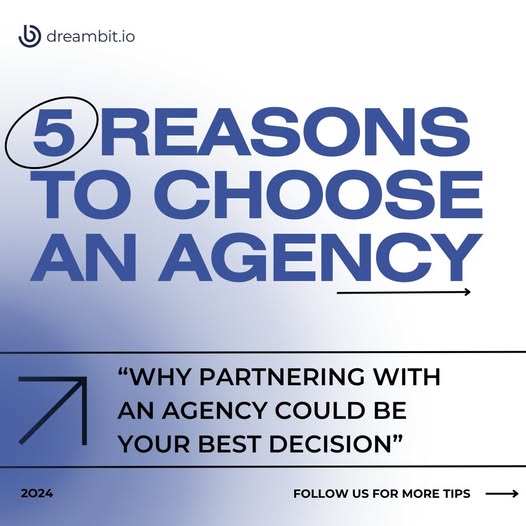
We’ve created something special to answer a common question: Why is an agency partnership key to project success?
To help you understand the benefits, we’ve gathered insights on why choosing an agency could be the game-changer you need rather than going with a freelancer.
Here are five key reasons:
- Stability & Reliability: When you work with us, we assign 2 developers to your project— one dedicates 32 hours a week, while the other contributes 8 hours. This dual-developer approach enhances the efficiency of the development process and provides a safety net, ensuring smooth transitions if a specialist needs to be replaced.
- Clear Communication and Management: We provide comprehensive project management at no extra cost, ensuring transparent communication and flexibility throughout the project.
- Full-Time Focus: Unlike freelancers handling multiple clients, our team is fully dedicated to your project, delivering focused and uninterrupted progress.
- Collaborative Expertise: Our developers work in a strong community, sharing knowledge and innovative solutions, which keeps us ahead of industry trends.
- Comprehensive Testing: We can access a wide range of devices to thoroughly test your app, guaranteeing a smooth user experience across all platforms.
Choosing an agency means opting for stability, expertise, and a dedicated team.
Launching a startup is an exciting journey full of challenges and opportunities. As a company specializing in mobile app development, Dreambit.io is ready to help you turn your idea into reality. Here’s what potential clients need to provide when approaching mobile app development:
Idea and Project Description
The first step to a successful startup is having a clear understanding of the problem you want to solve and how your product will do it. Provide a clear description of your idea and its implementation. Include information about your target audience, key features, and unique advantages of your app.
Business Plan
A solid business plan will help you assess the financial aspects of the project, including the budget, timelines, and expected revenue. It will also give us a better understanding of your goals and requirements.
Technical Specification
The technical specification (TS) is a document that details all aspects of your project, including functionality, design, performance requirements, and other technical details. A well-prepared technical specification will allow us to quickly get to work and ensure transparency in the development process.
Mockups and Prototypes
If you already have mockups or prototypes, this will significantly simplify the initial development stage and help us better understand your preferences. Using tools like Figma, you can create a visual representation of your app, which will provide a **Timeline** Indicate the expected project completion timeline. This will help us develop an optimal work plan and allocate resources accordingly.
Marketing and Promotion Strategy
After developing the app, it’s important to plan how you will promote it in the market. However, checking it before starting the development process is better. Identify channels for user acquisition, create a marketing plan, and prepare launch materials. This may include advertising campaigns, social media engagement, and other methods.
Conclusion
Dreambit is always ready to help you bring your ideas to life and create a successful mobile app. Preparing for a startup launch is a crucial stage, and we are happy to share our experience and knowledge to make your project successful. Contact us with any questions and ideas – we are ready to help!
Hi there,
It’s time to share our story of incorporating CTO-as-a-Service into our work. 💡
Great ideas are valuable, but turning them into reality requires the right technical execution. We noticed that many startups and businesses had brilliant ideas but struggled with the technical side. They didn’t need a full-time CTO, but they still needed expert guidance to move forward.
So that’s when everything originated. We could help these businesses by offering this service, giving them access to senior tech leadership without the heavy costs of hiring an in-house executive. It was the perfect solution for companies needing direction, expertise, and flexibility to grow.
Now, we confidently say that we can help align the tech stack with the business goals, prioritize product features, and definitely avoid costly mistakes by designing scalable architectures from day one.
Anyway, if you need a trusted partner to guide your tech strategy, let’s talk!